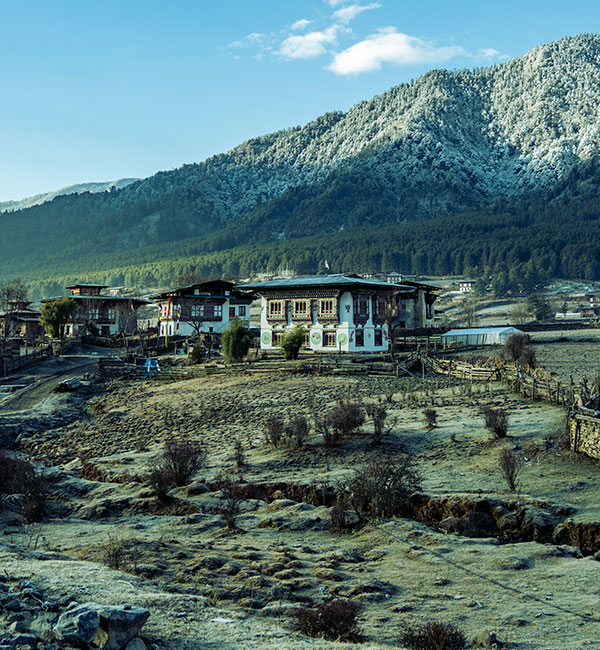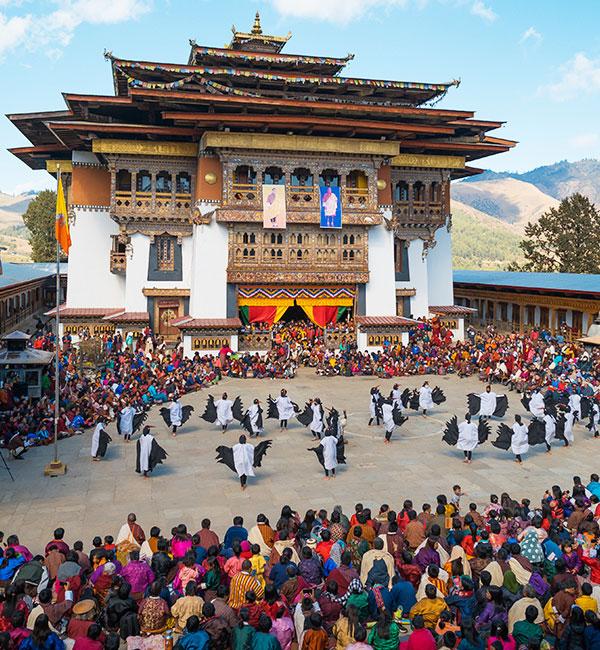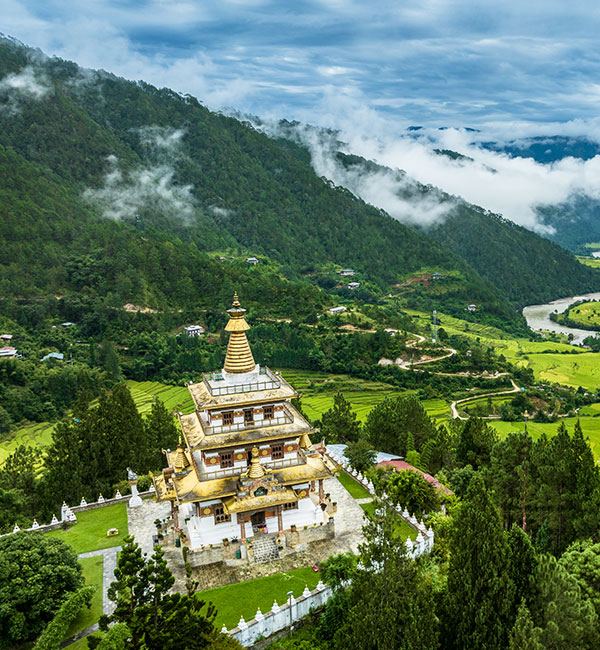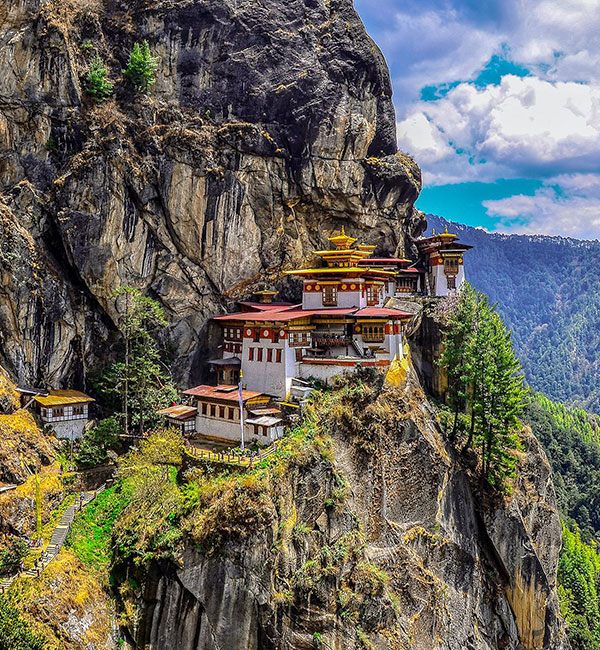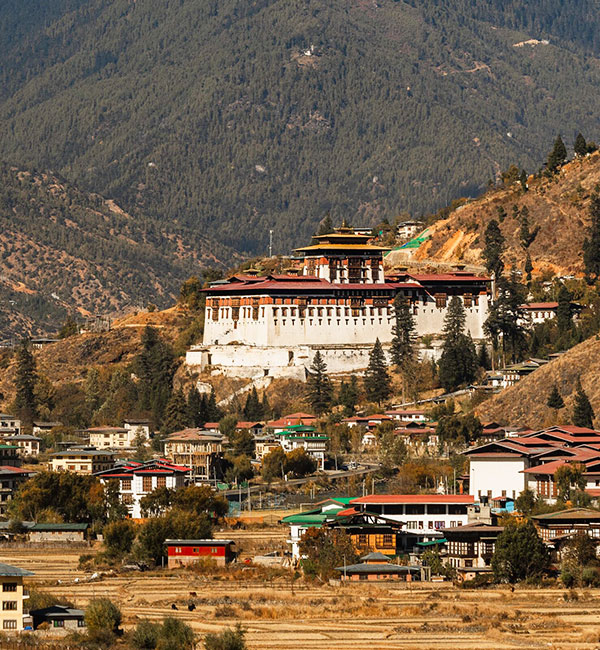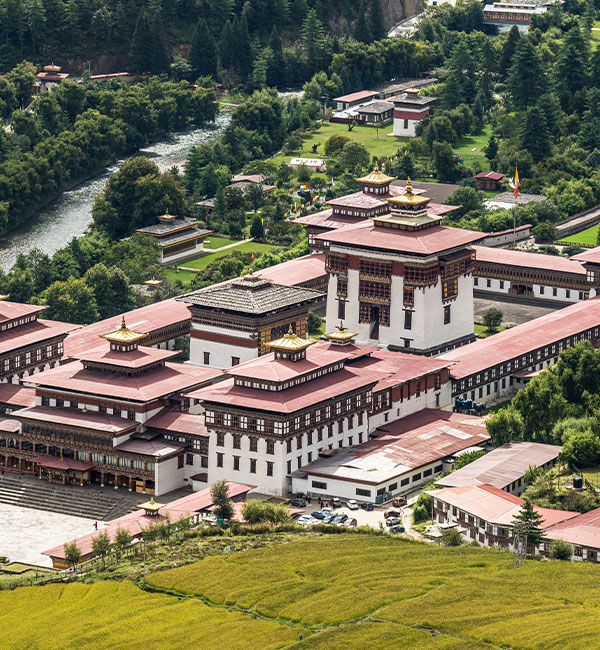

Bhutan is stunning all year round, but the ideal time to go depends on what kind of experience visitors are seeking. Spring, which runs from March to May, is one of the most popular seasons because of the beautiful weather, blossoming flowers, and unobstructed views of the mountains. Because of its crisp weather, vibrant festivals, and great views of the Himalayan mountains, autumn, which runs from September to November, is also highly recommended.
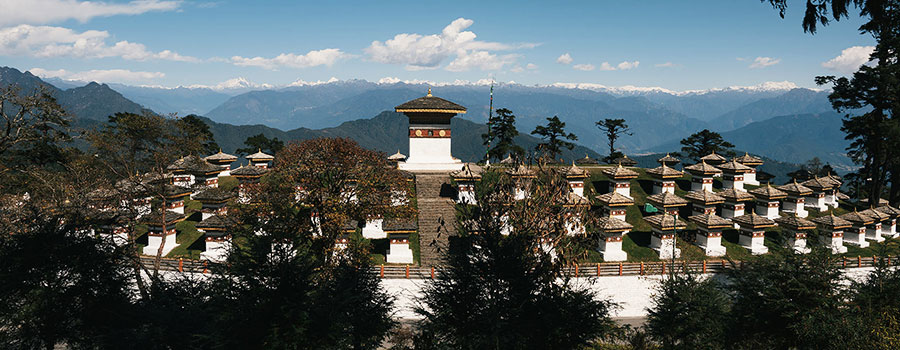
In higher altitudes, winter offers serene travel experiences with fewer visitors and stunning snow-covered scenery. Travelers who appreciate nature and tranquil settings will find the summer monsoon season to be perfect because it delivers lush green scenery and quieter surroundings.
The Bhutanese Ngultrum (BTN), which is equivalent to the Indian Rupee (INR), is the country's official currency. Indian money is widely accepted across the nation, particularly in border towns and tourism destinations. Major cities including Thimphu, Paro, and Phuentsholing have ATMs. Debit and credit cards are also accepted by many hotels, eateries, and retail establishments; nevertheless, while visiting distant locations where digital payment choices could be scarce, tourists are encouraged to bring some cash.
Bhutan is regarded as one of the world's safest travel destinations. It is a great place for lone travelers, couples, families, and groups because to its tranquil surroundings, low crime rate, and polite local culture. While remote mountain locations may have limited connectivity, most towns and tourist areas have access to mobile network and internet services.
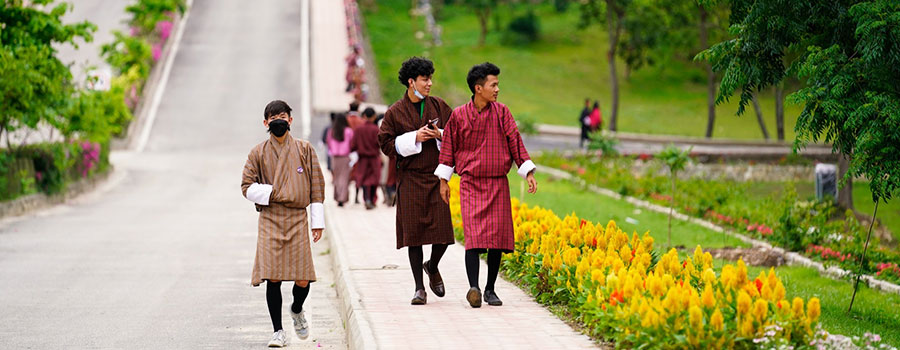
All international tourists should get travel insurance, especially if they plan to engage in adventure and hiking. Traveling across Bhutan is about experiencing a way of life based on harmony with nature, tranquility, happiness, and spirituality, not just about seeing locations. Bhutan gives guests experiences that last a lifetime, from colorful festivals and secret valleys to historic monasteries and striking mountain scenery.
Bhutan provides lodging alternatives for all kinds of tourists, from traditional guesthouses and homestays to upscale resorts and boutique hotels. The majority of hotels mix contemporary comfort and friendly service with traditional Bhutanese architecture. Budget tourists can discover cozy and reasonably priced accommodations in popular tourist locations including Thimphu, Paro, Punakha, and Phuentsholing, while luxury travelers can experience first-rate mountain resorts and health retreats.
Because Bhutan is a hilly country, roads are the primary means of transportation throughout the country. Major locations including Thimphu, Paro, Punakha, Bumthang, and Haa Valley are connected by scenic roadways. The majority of visitors travel in private automobiles that tour operators organize, escorted by knowledgeable local drivers.
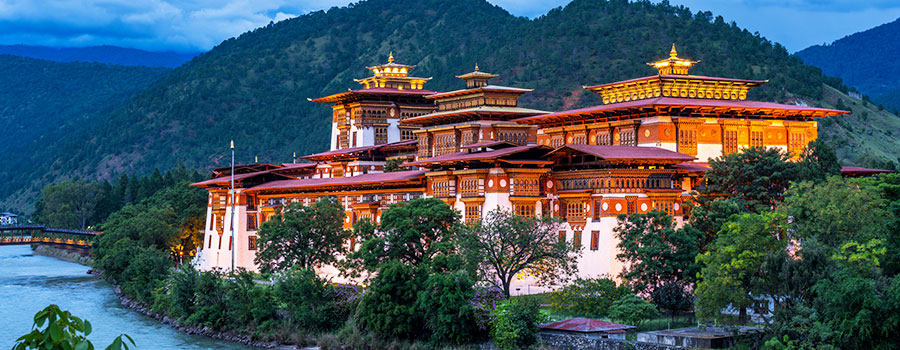
In Bhutan, road trips are serene and provide breathtaking views of valleys, rivers, mountains, and forests. The primary entry point for foreign visitors is Paro International Airport, which is Bhutan's only international airport.
The majority of Bhutan's hotels, cafes, and tourist destinations have internet connectivity. While connectivity may be restricted in isolated alpine areas, mobile networks typically function well in large towns and cities. For easy communication when traveling, travelers can buy local SIM cards with internet packages.
Bhutan provides a unique blend of unspoiled natural beauty, spiritual tranquility, cultural diversity, and genuine hospitality. Bhutan offers an experience that will stick with you long after the trip is over, whether you want to see historic temples, hike through Himalayan valleys, attend vibrant festivals, or just take in the tranquil surroundings.