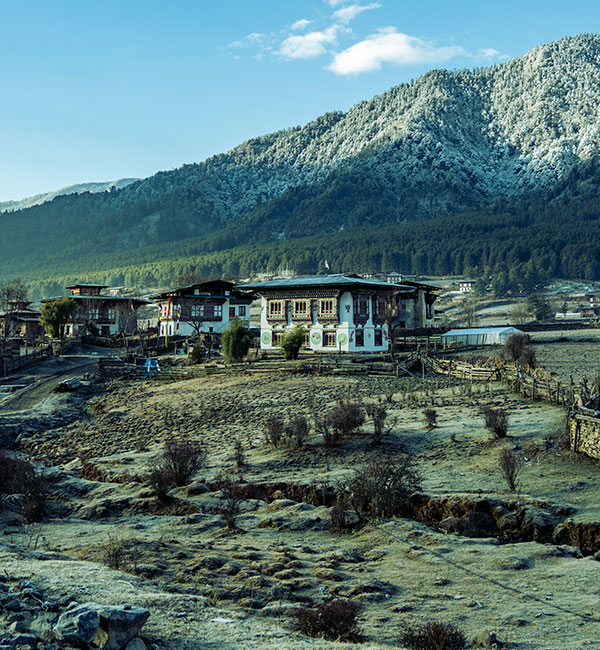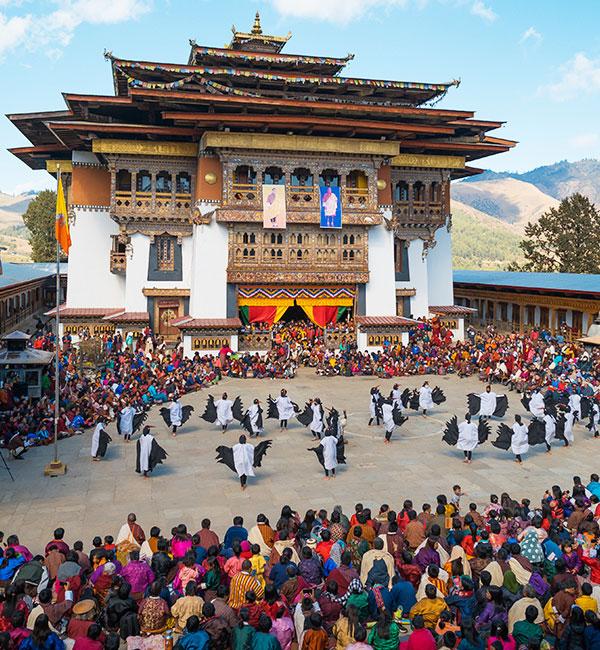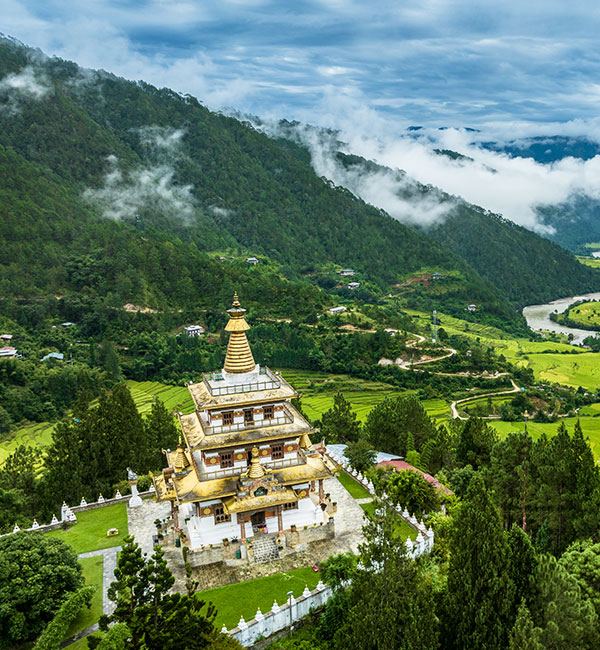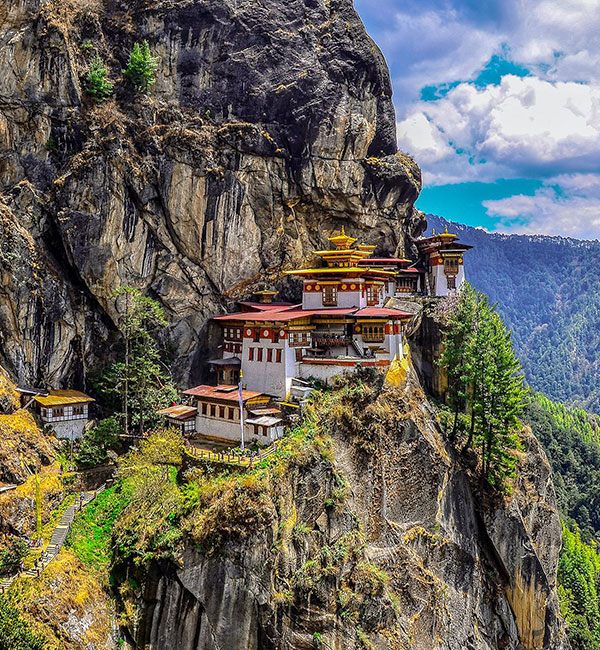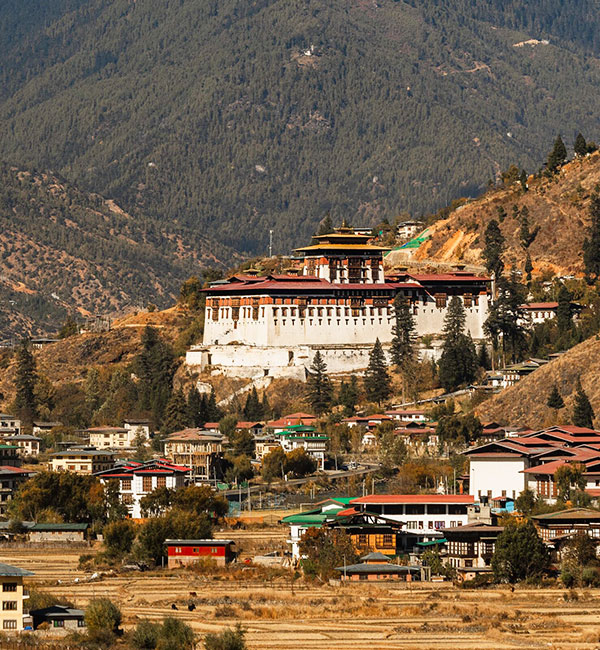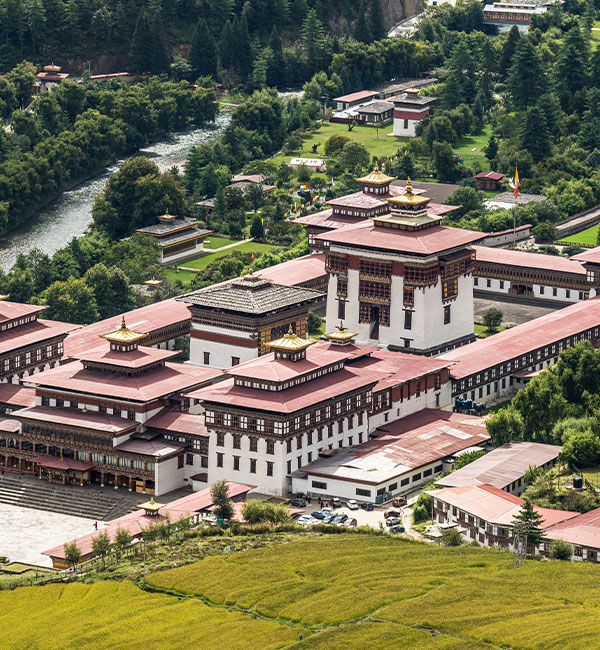

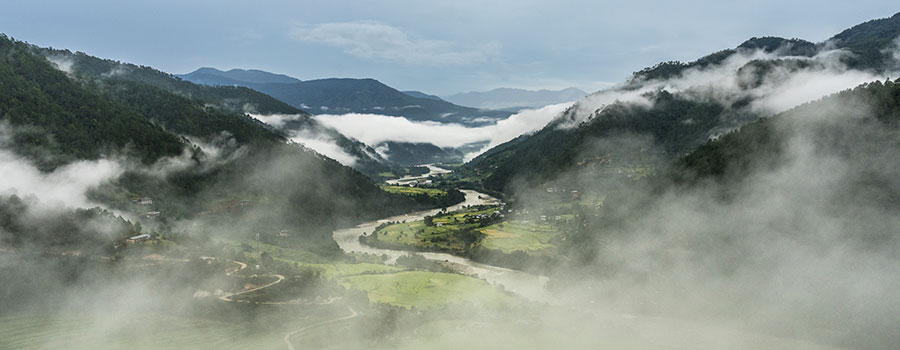
Bhutan, often known as the "Land of the Thunder Dragon," is one of the world's most distinctive and tranquil travel destinations. Bhutan, which is tucked away in the Eastern Himalayas, is well-known for its stunning mountain scenery, historic temples, complex Buddhist customs, and steadfast dedication to protecting the environment and culture. Bhutan offers visitors a calmer, more meaningful travel experience where spirituality, culture, and scenic beauty are still closely linked to daily life, in contrast to many contemporary tourist destinations. Bhutan offers a once-in-a-lifetime experience that is unmatched anyplace else, whether you are seeking adventure, spiritual travel, cultural exploration, photography, or just a tranquil getaway.
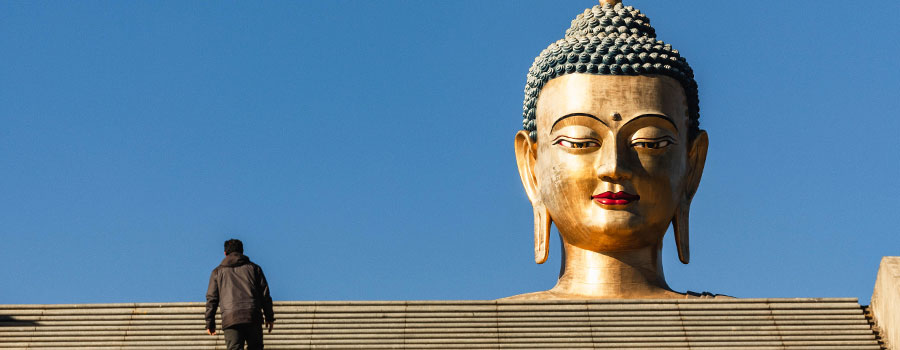
Bhutan has a special tourism policy called "High Value, Low Volume Tourism." This strategy aims to provide tourists with a first-rate travel experience while preserving the nation's environment, culture, and customs. Bhutan promotes sustainable and responsible travel that benefits both tourists and local populations rather than mass tourism. Through cultural tours, visits to monasteries, traditional festivals, trekking excursions, and environmental exploration, tourism in Bhutan enables visitors to experience true Bhutanese living. Because Bhutan takes great care to maintain its natural beauty and cultural legacy, every trip there feels intimate and significant.
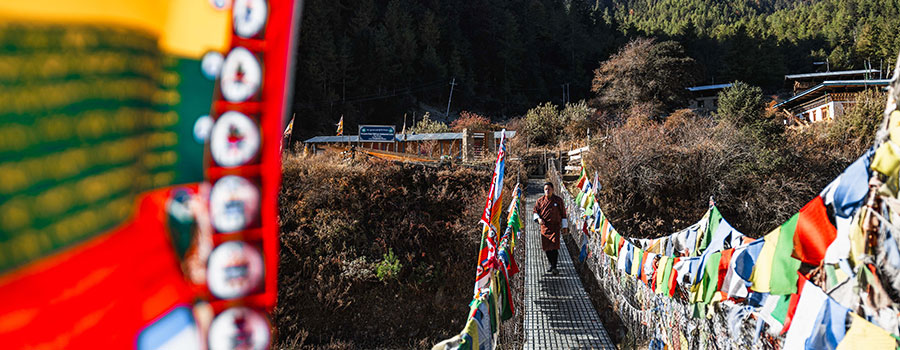
The Sustainable Development Fee, or SDF, is one of the most significant components of Bhutan's tourist sector. As part of its travel laws, foreign visitors to Bhutan must pay this tax. Supporting Bhutan's long-term sustainability objectives is the SDF's mission. The money raised goes toward infrastructure development, free healthcare, education, environmental protection, and the maintenance of Bhutanese customs and culture. According to current government regulations, Indian nationals must also pay a reduced SDF of ₹1200 per day, while citizens of other countries must pay $100 per day. Travelers are always urged to verify the most recent changes before making vacation plans because tourism policies may change over time.
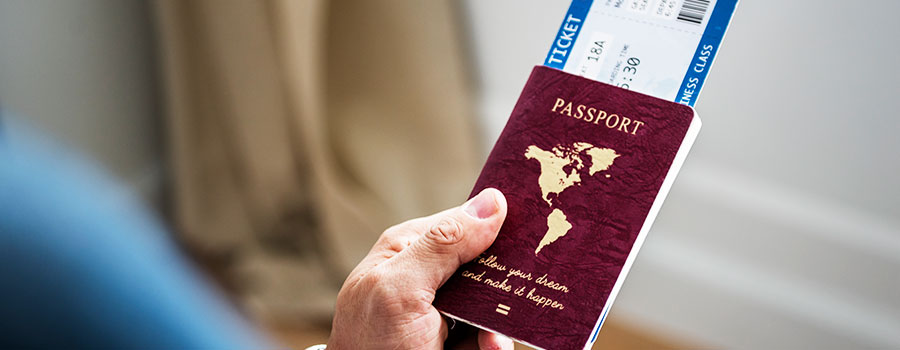
Before entering Bhutan, the majority of foreign visitors need a visa. Typically, a Bhutanese travel operator with a license arranges the visa process. For visa processing, travelers typically require a valid passport, travel insurance, confirmed travel plans, and passport photos. Travelers obtain a visa clearance document that permits admission into Bhutan if their visa is accepted.
Indian nationals can enter Bhutan without a visa. They can obtain an entry permission upon arrival and enter the nation with a valid passport or voter ID card. Bhutan is reachable by road via border entrance points such Phuentsholing, Gelephu, and Samdrup Jongkhar, or by air via Paro International Airport.
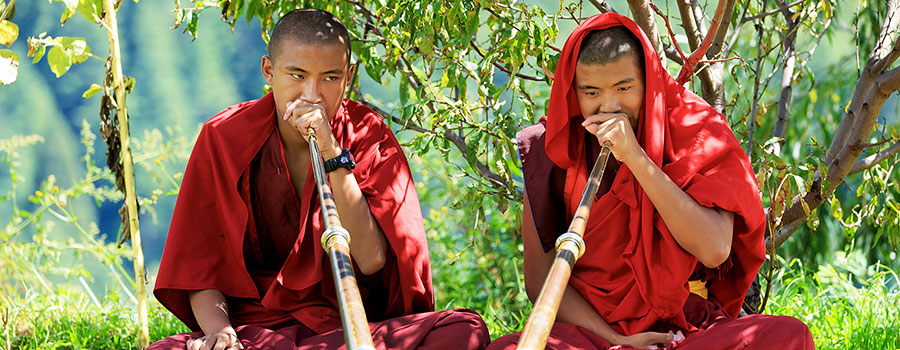
Buddhism and traditional values have a strong influence on Bhutanese culture. Religious rituals, prayer wheels, chortens, and monasteries are significant aspects of everyday life. The nation takes tremendous pride in maintaining its customs, language, attire, and architectural style.
When visiting Bhutan, tourists are urged to observe local traditions. When visiting monasteries and other places of worship, modest attire is advised. Before visiting temples, shoes should be taken off, and before taking pictures of monks or locals, permission should be obtained. Bhutanese people are renowned for their warmth, politeness, and simplicity, which makes visitors feel at home wherever they go.
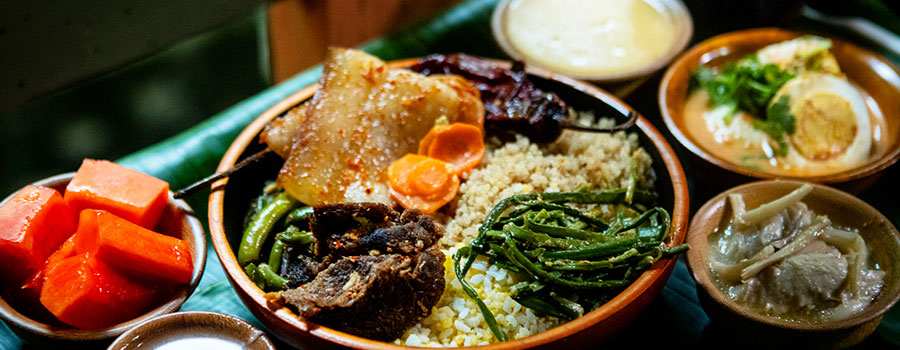
Bhutanese food is tasty, straightforward, and frequently spicy. Ema Datshi, a classic dinner cooked with cheese and chili, is one of the nation's most well-known foods. Momos, red rice, noodle dishes, soups, and regional meat and vegetable dishes are some more well-liked foods.
The majority of hotels and restaurants in popular tourist locations provide vegetarian, Chinese, Indian, and continental cuisine. Bhutanese cuisine also heavily incorporates locally grown organic ingredients and traditional butter tea. Some of the popular food dishes include:
Bhutan is a nation with a strong spiritual, cultural, and traditional foundation. In Bhutanese daily life, respect for religion, regional traditions, people, and the environment is crucial. In order to guarantee a courteous and fulfilling trip, visitors to Bhutan are urged to observe local customs. Visitors can better interact with local communities and enjoy Bhutan's genuine spirit and kindness by being aware of some basic cultural customs.